A job I never really meant to keep
I started my first regular retail job at 18, around 2001, because I needed to begin paying rent. Before that I had done a collection of odd temporary jobs: folding flat-packed boxes, sorting mountains of paper, sandblasting furniture and fitting windows. Nothing had felt like a stable job.
I began on supermarket nights, filling grocery, drinks and pet-food aisles. The reliable money made it easy to stay. I took on date checking, price changes, relays, promotional displays and home shopping, then moved to days and eventually became a section leader and training manager.
I tried to make retail work by progressing in it
Management looked like the sensible answer. I imagined better pay, smarter clothes, less physical work and more respect. Instead I found myself responsible for a sprawling home and leisure operation, specialist counters, warehouses and roughly 25 colleagues across different shifts, without feeling any less trapped.
The breaking point came after months of training and unpaid study. I was told my department was good, but not quite good enough for me to be signed off, and that I should wait another six months. I stepped down, cut my hours to the minimum I needed and stopped investing my future in those four walls.
A book of retail rants became my first useful piece of evidence
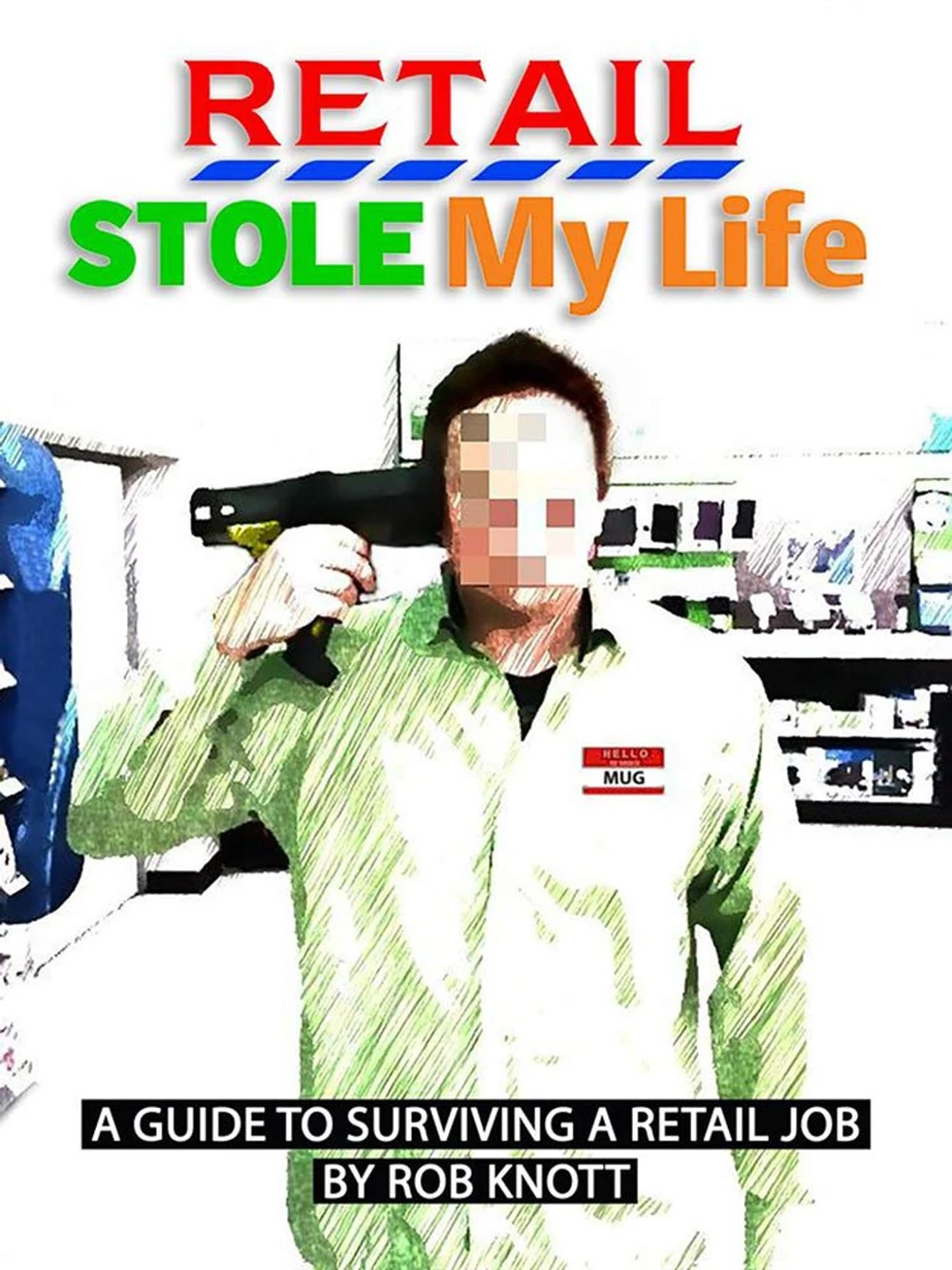
Retail Stole My Life began as notes about customers, managers and the strange situations retail workers recognise immediately. I packaged them into a short book and self-published it in 2014. I did not think it would change my career; I was mostly worried that work would find it.
I later included it in a deliberately unconventional application for a copywriting role. The employer liked the humour and voice and hired me. The thing I had made to cope with retail became the proof that I could do something outside it.
Read the full story behind the book →One exit led to copywriting, SEO and communities with millions of members
My first office job felt bizarrely liberating: my own clothes, a desk, cups of tea and toilet breaks without asking permission. Colleagues introduced me to SEO, and over time I moved through copywriting, content strategy, technical SEO and senior SEO roles.
Retail Worker Confessions kept growing too. LinkedIn approached me because the group showed that I understood and could build a community for frontline workers. I went on to build The Break Room and around 30 other LinkedIn communities with millions of members combined.
I got out, but I never stopped caring about people who feel stuck there
I have maintained the Facebook page, group and wider community for more than a decade after leaving retail. The frustrations are still familiar because the underlying problem has not changed: people learn valuable capabilities in retail but struggle to describe them in a way the rest of the job market understands.
This website exists to make that translation easier. It will not tell everybody to leave, pretend leaving is simple or sell a life-coaching fantasy. It is here for people who do want something different and need practical help taking the first step.